What is a hospital management system (HMS)? Modules, cost and how it works
The modules, how they connect, what it costs in India, and the one test that tells you if they really work together.
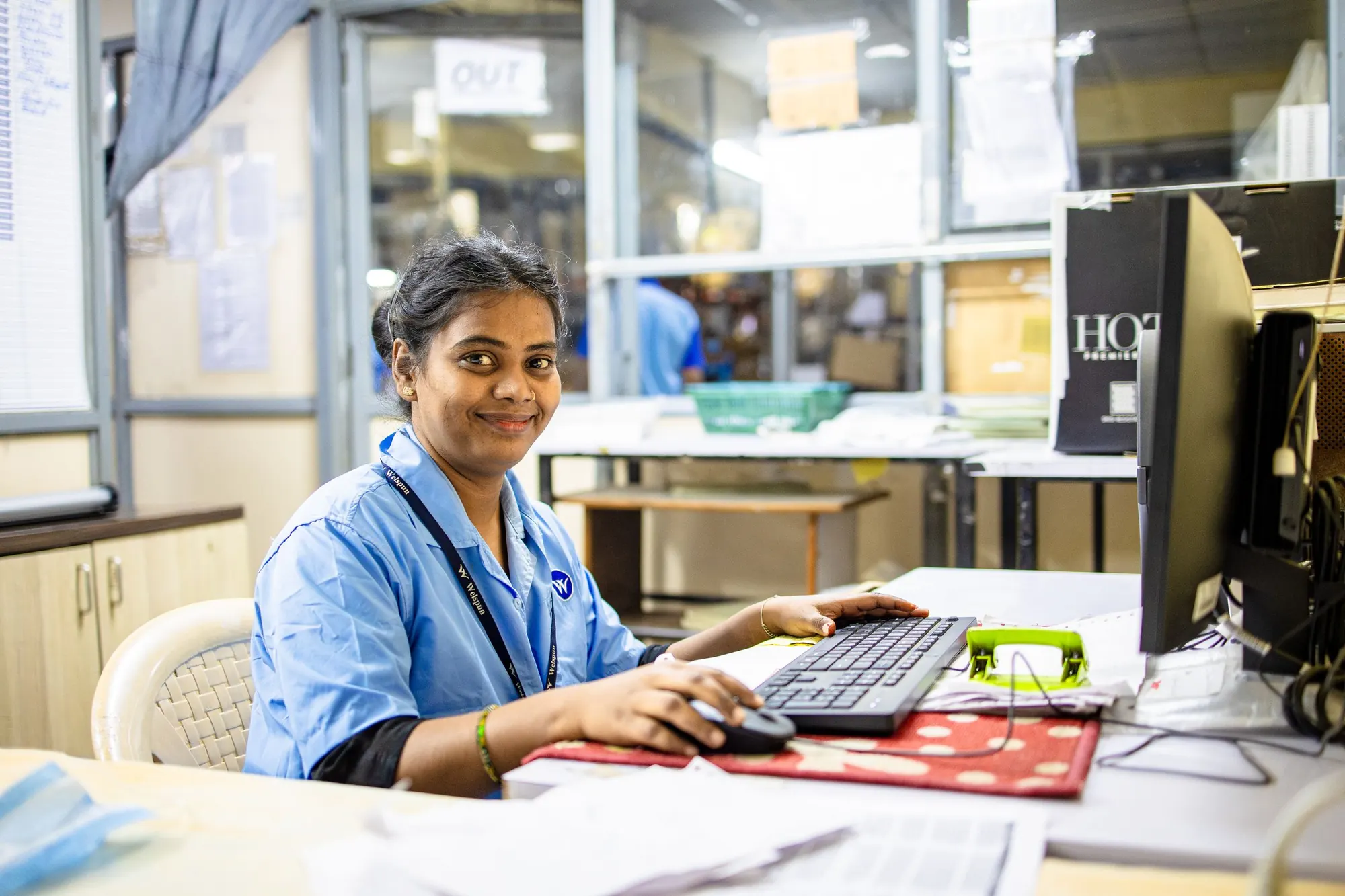
A hospital management system (HMS) is the software a hospital runs on. It records every patient, every visit, every order and every rupee, and it lets each department see what the others have done. HMS stands for hospital management system (or hospital management software); you will also hear it called a hospital information system (HIS).
What an HMS includes
Most hospital management systems are made of modules. Here is what each one does:
- Registration and appointments: patient details, ABHA, bookings, tokens and queues. See OPD management.
- Clinical record (EMR/EHR): history, allergies, vitals, notes and prescriptions. See EMR software.
- IPD and nursing: admissions, beds, nursing charts, the medication record and discharge. See IPD management.
- Laboratory (LIS): samples, analysers, results and reports. See lab management software.
- Radiology (RIS): imaging orders, worklists and reports. See radiology information system.
- Pharmacy: dispensing, stock, batches, expiry and registers. See pharmacy software.
- Billing and claims: tariffs, GST invoices, payments and insurance claims. See hospital billing software.
- Back office: stores, purchasing, staff and reports. See hospital ERP.
The one test that matters
Modules are easy to list. What matters is whether they share one patient record. Follow one patient in a demo: registered at the front desk, seen by the doctor, sent to the lab, given medicines, billed. If any step asks for the patient’s details again, the modules are stitched together, and your staff will spend their day joining them by hand.
What an HMS changes for a hospital
- Nothing typed twice. Details entered at registration follow the patient everywhere.
- Nothing missed on the bill. Services are charged as they are ordered, so the bill is complete at discharge.
- Safer prescribing. Interaction and allergy checks run as the prescription is written.
- Faster claims. PMJAY and TPA claims are built from the bill, not from a separate file.
- Numbers you can trust. Occupancy, revenue and throughput come from what actually happened.
Cloud or on-premise?
Older systems ran on a server in the hospital. Most new ones run in the cloud, which means no server room to maintain and updates without upgrade projects. The catch is the internet: ask what happens when it drops. A good cloud HMS keeps the counters working offline and syncs later. See offline hospital management software.
What does an HMS cost in India?
Pricing models vary: per user, per bed, per module or a one-time licence plus maintenance. Compare the total over three years, including migration, training, updates, interfaces and support. As one example, Carexa OS starts at ₹4,999 a month for clinics and is ₹250 per bed a month for hospitals, with every doctor included. See hospital management software pricing.
How to choose one
We wrote a separate guide with eleven questions to ask every vendor: how to choose the best hospital management software in India. Or see Carexa OS on your own workflows in a 30-minute demo.